Case studies
Six case studies from the sectors that make Brighton and Hove tick: hospitality, independents, tech, creative studios, health and trades. We keep clients anonymous and describe outcomes honestly rather than with headline percentages.
How to read these case studies
Each one follows the same shape: where the business started, what we found, what we did in what order, and what changed. We don't name clients, and we don't quote percentage uplifts, because a number without context (starting point, season, market, what else changed) tells you very little. If you want to talk through a case study closer to your own situation, ask us.
A family-run guesthouse near the seafront
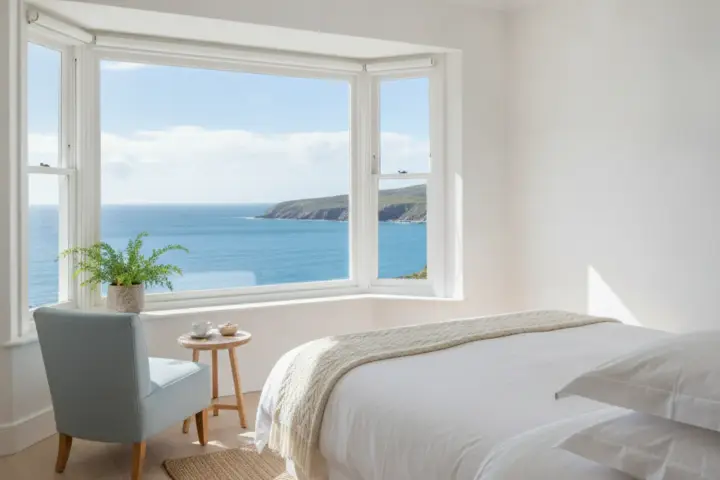
The problem: Searches for the guesthouse's own name were dominated by booking platforms and review sites, so guests who already knew the name ended up booking through a third party and paying the owner's commission for them. The website itself had no information about the rooms beyond a gallery.
What we did: Rebuilt the Google Business Profile with accurate room categories, photos and a direct booking link. Added hotel structured data. Wrote a proper page for each room type, plus guides to the things guests actually ask about: parking near the seafront, getting there from the station, and staying during Pride and the Festival.
The kind of outcome: The official site moved up for branded searches and more guests began booking direct, especially for midweek stays where they compared prices.
A software start-up near Brighton station
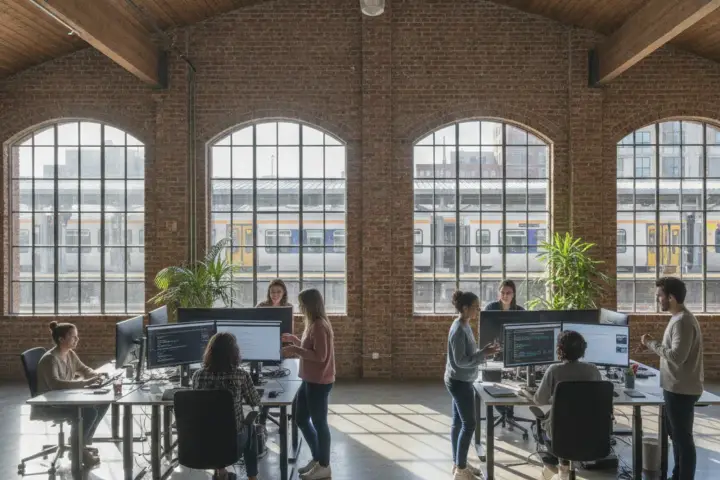
The problem: A B2B software company had a fast-looking JavaScript site that search engines struggled to render. Most of its feature and use-case pages were not indexed, and the blog was a collection of company news.
What we did: Worked with the developers to move key pages to server-side rendering, fixed the sitemap and canonical tags, and restructured the site around the problems customers search for. We then planned a run of comparison and how-to articles based on the questions the sales team heard every week.
The kind of outcome: The important pages were indexed within weeks, and demo requests from organic search became a steady source rather than an occasional surprise.
An independent shop in North Laine

The problem: A homeware and gifts shop with a loyal local following and a small Shopify store. Visitors searching on their phones in town couldn't find it, and the online shop had duplicate product pages created by collection filters.
What we did: Filled out the Google Business Profile with products and regular posts, set up a simple review request card at the till, cleaned up the duplicate URLs, and wrote category descriptions that mentioned the makers and materials customers search for.
The kind of outcome: More "near me" discovery from visitors, more direction requests on the profile, and online category pages that started to pick up searches from outside Sussex.
A design and animation studio

The problem: A respected studio whose portfolio was all images and video, with almost no text. It ranked for its name and nothing else, and relied entirely on referrals.
What we did: Turned the best projects into short written case studies with the brief, approach and craft involved. Built service pages for the work they wanted more of, and earned coverage in a creative trade publication by pitching a behind-the-scenes piece.
The kind of outcome: Enquiries began arriving from people who had found the studio through a specific service search, not just through a contact.
A physiotherapy clinic in Hove
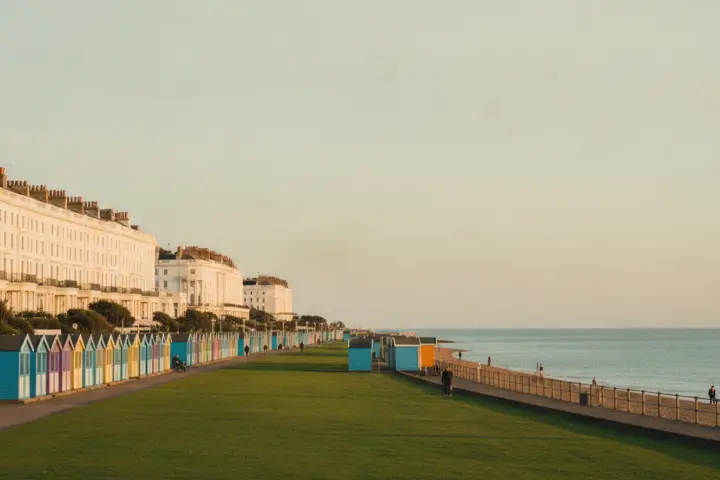
The problem: The clinic appeared for "physio Hove" but not for the specific conditions people search for, and its listing had inconsistent addresses across several directories after a move.
What we did: Corrected the citations, rewrote the treatments section as individual condition pages reviewed by the clinicians, and added clear information on what to expect at a first appointment.
The kind of outcome: The clinic became visible for a wider spread of condition searches, and new patients said they had found it while researching their problem.
A builder covering Brighton, Hove and the Downs villages
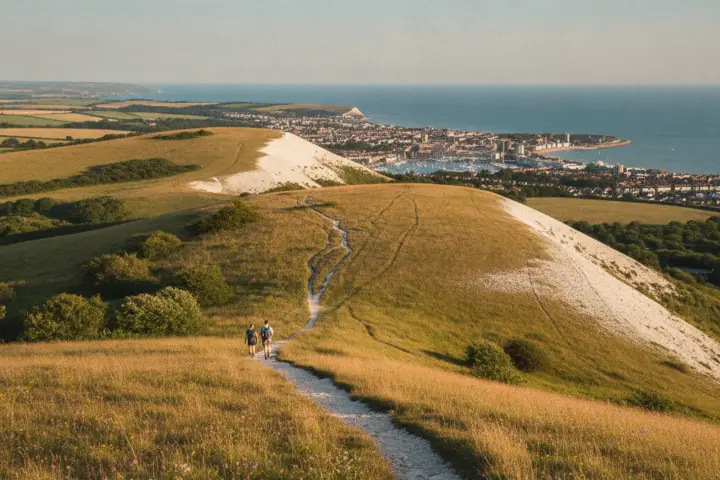
The problem: A one-page website and a profile with a handful of reviews. Competitors with thin "location pages" for every village were outranking them.
What we did: Built a project gallery with a short written story for each job and its area, created a small number of genuinely different pages for the places they work most, and set up a routine for asking happy customers for reviews.
The kind of outcome: Better map pack visibility in their core area and enquiries that referenced specific past projects.
What these projects had in common
- The first fix was rarely the one the client expected. The guesthouse thought it needed a blog; it needed its brand search and booking path fixed. The studio thought it needed a redesign; it needed words.
- Order mattered. Technical problems and the Google Business Profile came before new content, and new content came before link building.
- The client's own knowledge made the content work. Every strong page started with a conversation with the people who run the business.
- Progress was measured against the same period a year earlier, because Brighton's seasons distort month-on-month comparisons.
How a project runs
- Week one: access to Search Console, analytics and your Google Business Profile; a kick-off call about your customers, services and margins.
- Weeks two and three: the audit, then a written plan with the first three months of work in priority order.
- Month one onwards: fixes first, then pages, then promotion. A short monthly note on what was done and what moved.
- Each quarter: a review against last year's figures and a revised plan.
Think your business fits one of these? Tell us about it.